

The value of alu-clad timber windows
Alu-clad timber windows pair a warm, insulating timber core with a powder-coated aluminium skin that shrugs off the British weather. The result is a window that performs across every measure that matters: exceptional thermal efficiency, a 40-year-plus lifespan, near-zero maintenance and the freedom to specify almost any colour. For homeowners, self-builders and architects weighing performance, looks and long-term value, they are one of the most complete choices on the market.
What are alu-clad timber windows?
Alu-clad timber windows, also called composite windows, are made from an engineered timber frame finished on the outside with powder-coated aluminium cladding. The timber does the insulating work on the inside, while the aluminium takes the weather on the outside.
They were originally developed to extend the life of traditional timber windows, but modern versions do far more than protect the wood. Today's alu-clad windows deliver the natural warmth and superior insulation of timber together with the strength and weather resistance of aluminium, in a single, precision-engineered unit.

Why alu-clad windows are worth the investment
The value of an alu-clad window comes from its composite construction, which lets each material perform at its best. Timber is a natural insulator, so the frame slows heat transfer far more effectively than metal. Aluminium conducts heat over 1,000 times more readily than timber, which is why an all-aluminium frame needs thermal breaks just to approach the performance timber offers by nature.
The external cladding acts as a protective shell, shielding the timber from rain, UV and temperature swings. This matters particularly in exposed and coastal locations, where marine-grade aluminium stands up to salt-laden winds and driving rain that would test a bare timber frame.
Modern manufacturing methods incorporate sophisticated drainage channels and seals that prevent moisture infiltration. Choose a window built to current engineering standards for reliable, decades-long performance without the rot problems of the past.
Alu-clad timber compared with other frame materials
The clearest way to see the value is to compare frame materials side by side. The table below sets alu-clad timber against solid timber, uPVC and all-aluminium across the factors that decide long-term cost and comfort.
| Frame material | Thermal performance | Typical lifespan | Maintenance | Embodied carbon |
|---|---|---|---|---|
| Alu-clad timber | Excellent, warm timber core | 40+ years | Minimal, occasional clean and regular hardware maintenance | Low |
| Solid timber | Excellent | 30 to 60 years | High, regular clean, regular hardware maintenance | Lowest |
| uPVC | Good | 20 to 35 years | Low, can discolour over time | High |
| Aluminium | Poor without thermal breaks | 30 to 45 years | Low | Highest, unless recycled |
Lifespans are typical industry ranges and depend on product quality and upkeep. Relative embodied-carbon figures for aluminium, uPVC and wood frames follow published cradle-to-gate research (see references).
How alu-clad windows improve energy efficiency
Energy performance is one of the most compelling reasons to choose alu-clad. It comes from several features working together.
The insulating timber core slows heat transfer between inside and out, and the aluminium cladding protects the frame without lowering thermal performance. When the frame is paired with high-performance glazing, the whole unit performs at the very top of its class. Our triple-glazed alu-clad windows reach U-values as low as 0.64 W/m²K, which means better heat retention, fewer cold spot and lower heating bills.
Multiple gaskets create tight weather seals for excellent airtightness, ideal for low-energy and Passive House projects. Warmer internal frame surfaces also reduce condensation, helping prevent the mould growth and paint damage that cold frames can invite.
Our highest-performing triple-glazed alu-clad windows achieve a whole-window U-value of 0.64 W/m²K, with verified PHPP data. That is roughly 8 times less heat loss than single glazing and comfortably inside the Passive House threshold of 0.80 W/m²K. Download our PHPP data →
The lifetime value case
Alu-clad windows typically cost more up front than uPVC or some all-aluminium products, and it is fair to weigh that in your decision. But the sticker price rarely tells the whole story. Judged on total lifecycle cost rather than initial outlay, alu-clad frequently works out as the more economical choice.
Three factors drive that. Their thermal performance trims heating costs year after year. Their lifespan, often around twice that of cheaper alternatives, removes the expense and disruption of premature replacement. And their minimal upkeep saves both time and money across decades of ownership, because the aluminium can be repaired, unlike uPVC, but needs little maintenance, unlike timber. Quality alu-clad windows also tend to lift property value more than lower-cost options, which matters if you ever come to sell.
The honest trade-offs are the higher initial cost and, as bespoke products, longer lead times than off-the-shelf ranges. For most self-builds, renovations and long-term homes, the payback in comfort, durability and running costs more than justifies the difference. If budget is tight and the window is not heavily exposed, high-performance timber or double-glazed options can be a sensible middle ground.
Tell us a few details and our team will help you find the right frame and glazing, and prepare a tailored quote.
Sustainability credentials
Alu-clad timber windows carry lower embodied carbon than equivalent uPVC or all-aluminium frames, and the timber core stores carbon for the life of the window. At end of life the aluminium is fully recyclable, and responsible manufacturing keeps waste low. In our own factory, waste timber sawdust is burned to provide heat, closing the loop on offcuts that would otherwise be discarded.
Design freedom
Performance aside, alu-clad windows offer remarkable design flexibility. The aluminium exterior can be powder-coated in virtually any RAL colour, from soft heritage greys to bold contemporary statements. Dual-colour finishes let you run one colour outside and another inside, so the windows can present crisp, modern lines to the street while keeping warm timber tones in the room.
The internal timber can be painted, stained or clear-lacquered to suit any interior scheme. That pairing of durable exterior and warm interior is what makes alu-clad windows enhance both the kerb appeal and the character of a home.
Natural warmth meets modern performance. Explore the range.
Compare products and find the perfect windows for your project.
Your questions answered
Have a question? You're not alone. We've answered the most common queries about alu-clad timber windows below.
Are alu-clad timber windows right for you?
If you want windows that combine strong thermal efficiency, long life and refined looks with near-zero maintenance, alu-clad windows are likely to suit you very well. They are a particularly good fit for self-builds, renovations and exposed or coastal sites where durability matters.
Are alu-clad windows more expensive than uPVC or aluminium?
They usually have a higher initial cost than uPVC or basic aluminium, but they tend to deliver better long-term value. Superior thermal performance lowers heating bills, an extended lifespan avoids premature replacement, and minimal maintenance saves time and money over the decades.
Assessed on total lifecycle cost rather than up-front price, alu-clad windows can prove the more economical choice, and they can add more to property value than cheaper alternatives.
Are alu-clad windows better than uPVC?
For insulation, longevity and environmental impact, yes. Alu-clad timber windows offer better thermal performance than most uPVC windows and a much lower embodied carbon footprint. They also last longer and tend to add more value to a property, although they typically cost more up front.
Are alu-clad windows better than solid timber windows?
Alu-clad timber windows give you the same warmth, character and thermal performance as solid timber windows, with the added benefit of far greater weather resistance and much lower maintenance thanks to the aluminium cladding. If a purely traditional appearance is your first priority, solid timber frames offer the most classic look.
Are alu-clad windows better than aluminium windows?
Aluminium frames are strong and slim, but aluminium is a poor insulator, conducting heat over 1,000 times more readily than wood. Even with multi-chambered extrusions and thermal breaks, an all-aluminium frame performs well below timber, and it carries higher embodied carbon. Alu-clad gives you the slim aluminium exterior with the thermal performance of a timber core.
How much maintenance do alu-clad windows require?
Remarkably little. The powder-coated aluminium exterior never needs repainting, and periodic cleaning with mild soapy water keeps it looking new. Internal timber surfaces can be refreshed if you wish, and a six-monthly lubrication of hinges and hardware keeps everything operating smoothly. Compared with all-timber windows that need more regular refreshing, alu-clad is low-maintenance for its whole service life.
Do modern alu-clad timber windows still suffer from rot?
Modern units have moved on significantly from designs made decades ago. Contemporary manufacturing uses advanced drainage systems, improved timber preservatives and precision-sealed construction that effectively removes the historical moisture concerns.
Quality alu-clad windows from reputable manufacturers now routinely achieve 40-year-plus lifespans, even in the UK's damp climate. The key is choosing windows built to current engineering standards with quality materials.
Can alu-clad windows be triple-glazed?
Yes. Alu-clad timber windows can be double or triple-glazed. Triple glazing lifts thermal performance by roughly 40 to 45% over double glazing, meaning greater comfort, lower heating bills and an uplift in property value. Our triple-glazed alu-clad range reaches whole-window U-values as low as 0.64 W/m²K.
What colours and finishes are available?
The external aluminium can be powder-coated in virtually any RAL colour, and dual-colour finishes let you use different colours inside and out. Internal timber can be clear-lacquered to show the natural grain, stained, or painted to match your interior, and it can be repainted later if your scheme changes.
What are the main benefits of alu-clad windows?
In short: excellent insulation from the timber core, long life and weather protection from the aluminium cladding, minimal maintenance, lower embodied carbon than uPVC or all-aluminium, and wide design freedom. Together these make alu-clad among the most attractive and best-quality windows on the market.
Choosing Norrsken
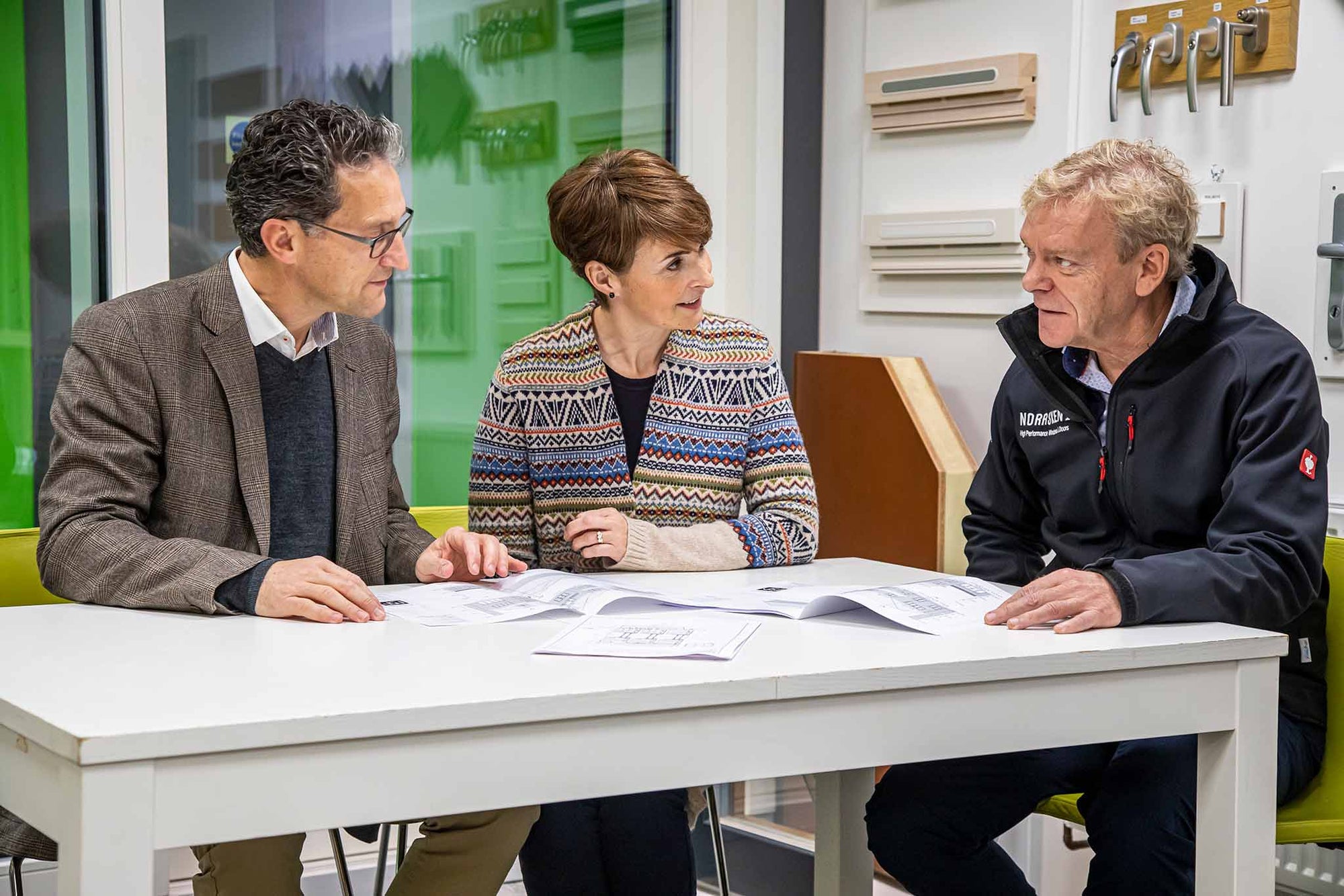
Choosing Norrsken is not just about windows and doors, it is about choosing a partner for your building journey. We supply and install double and triple-glazed alu-clad timber windows and doors for considered self build and commercial projects. Our focus on exceptional craftsmanship and customer service runs from first consultation to after-sales support.
Explore our range of alu-clad timber windows and doors, and discover the Norrsken difference.
Every project begins with a conversation. Share a few details and our team will help you specify the right windows and prepare your quote.
References & further reading
- HM Government, Approved Document L: Conservation of fuel and power – window and door U-value requirements. Understanding Part L Building Regulations.
- Passivhaus Trust & International Passive House Association – the Passive House standard and window component criteria. The Passive House Standard.
- Norrsken – PHPP 10 modelled U-value data for the Norrsken window range. Download PHPP data.
- Salazar & Sowlati, Carbon Footprint versus Performance of Aluminium, Plastic and Wood Window Frames from Cradle to Gate – comparative embodied-carbon research. Research summary on ResearchGate.
- Norrsken – The lowdown on U-values and All you need to know about composite windows.


